The gap in one picture
This is what the electricity year would look like if Switzerland had to do without its four nuclear plants today. In summer there is enough power, often even some left over. In winter there is not: the red hatching shows what would have to be imported.147
- Run-of-river plants
- Waste, wood, biogas
- Wind
- Solar, used
- Storage lakes
- Imports
- Solar, unused
- Consumption
Average year, plants as of the end of 2025, consumption as in 2024 and 2025. More on the winter gap
Two ideas hardly anyone discusses
The debate often centres on new nuclear plants. Here, two other paths are worked out with official figures. You can change every assumption.
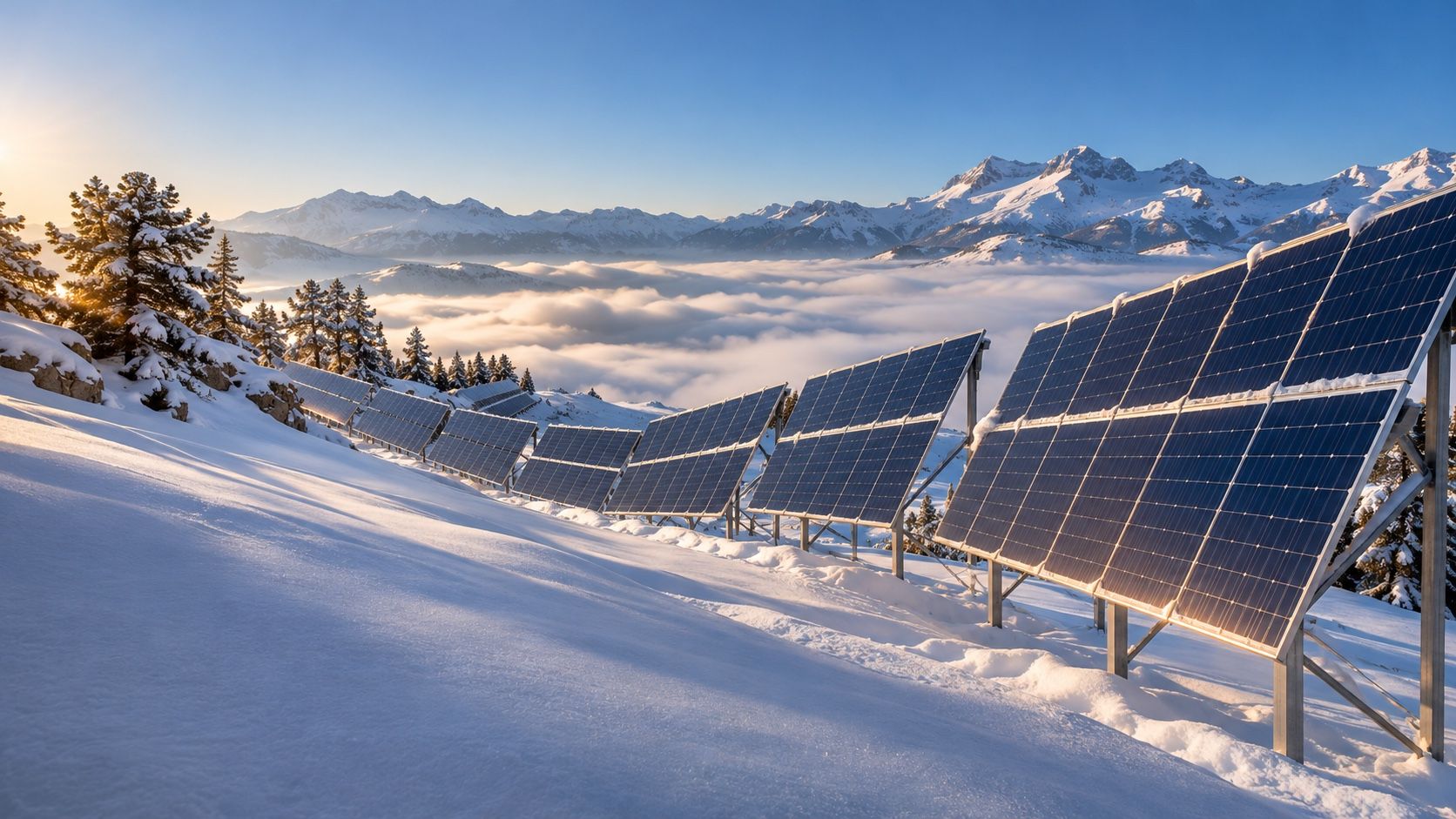
Idea 1Build solar deliberately too bigEnough solar to cover the winter. In summer, around 59 percent then goes unused.It works. It costs around 42 ct. per kWh of imports avoided, or around 23 ct. with more wind.Do the maths
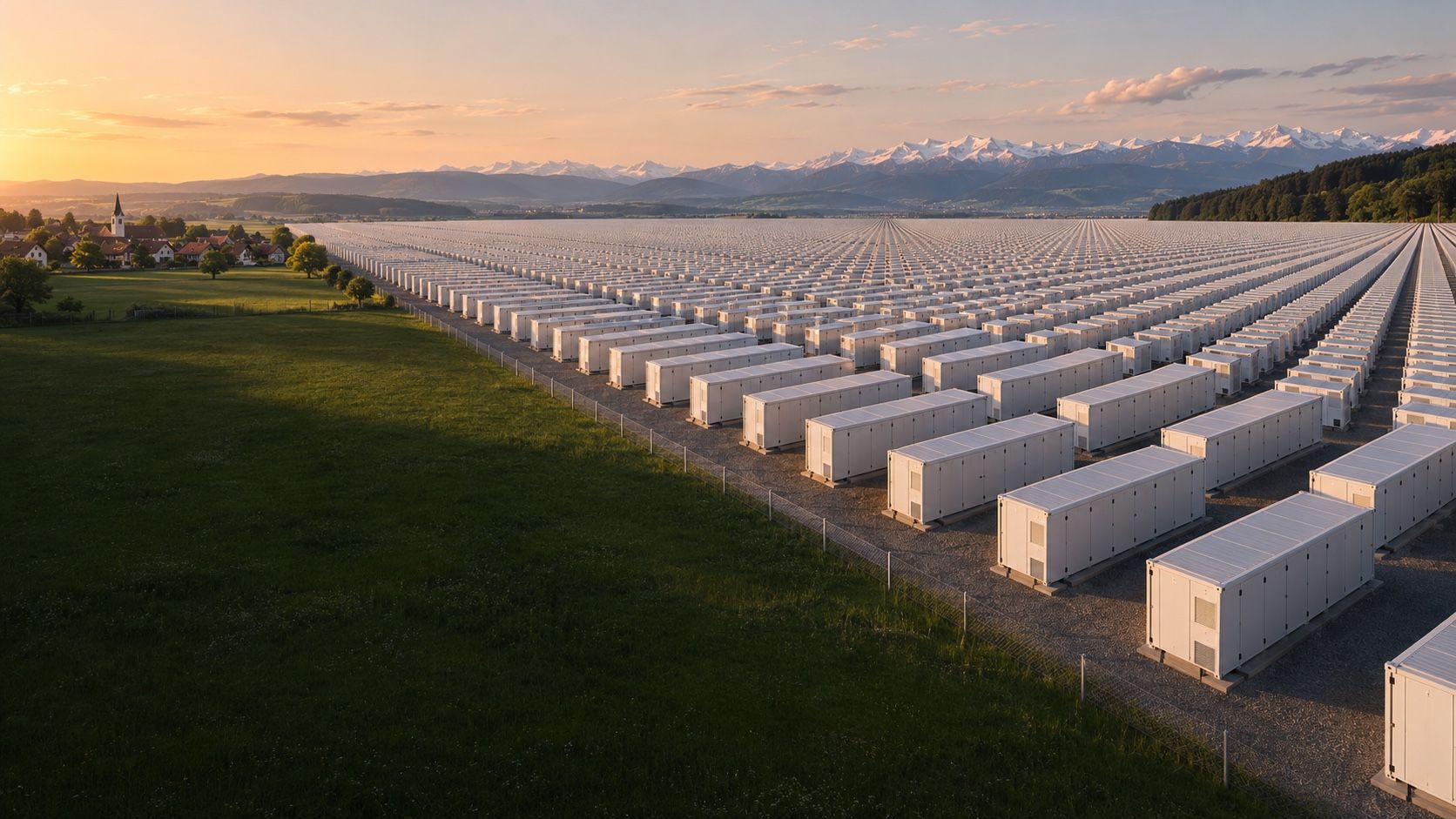
Idea 2Store the summer in batteriesKeep summer electricity for the winter. This would take around 1.2 million shipping containers.Technically possible, but every kilowatt hour costs around 21 francs.Do the maths
The result, in short
- Without nuclear power, winter needs a replacement. Even with the expansion set out in the Electricity Act, around 5.5 TWh will be missing each winter in 2050.
- Solar overcapacity closes the gap. It is cheapest together with wind, which delivers two thirds of its power in winter.
- Seasonal batteries are ruled out. Not because of the technology, but because of the price.
- A new nuclear plant is a gamble. With middle assumptions, a winter kWh costs around 19 centimes; with costs like those in Britain, over 50. It would deliver power in 2045 at the earliest.